The Ultimate Guide to Wall Chasers with Vacuum Cleaners: Efficiency Meets Cleanliness
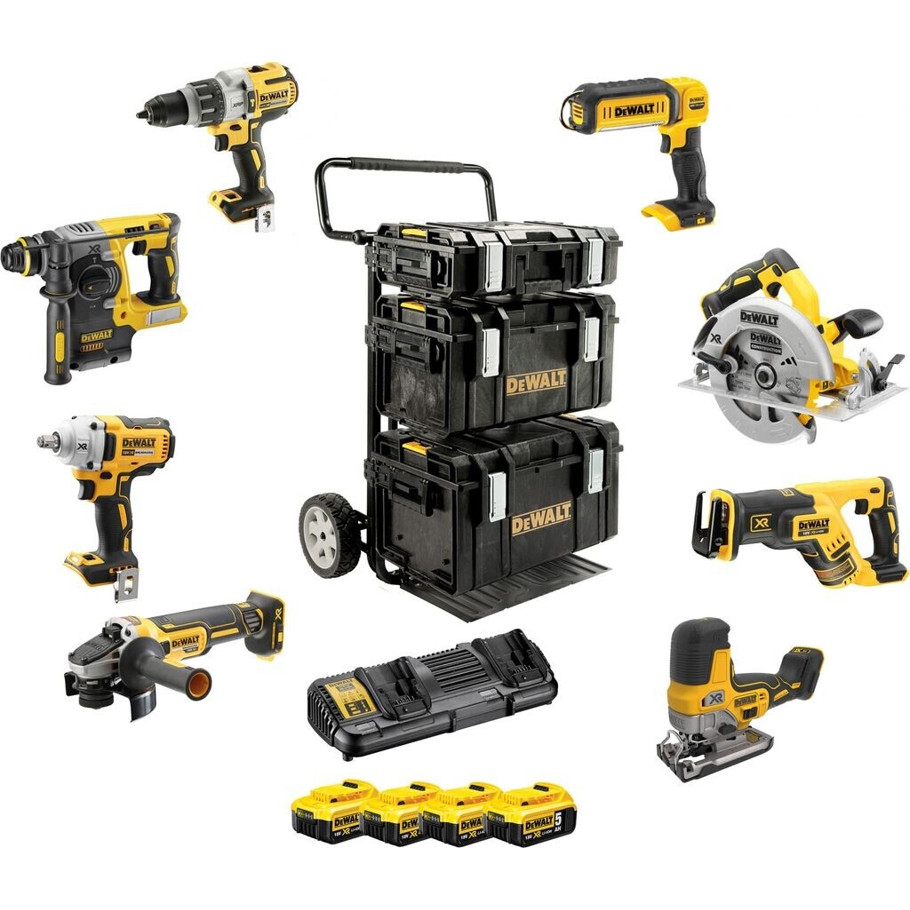
Worldwide of building and construction and remodelling, precision and cleanliness are vital. Anyone acquainted with home improvement understands that renovations frequently require making cuts into walls for numerous factors, from installing electrical channels to plumbing. This is where a wall chaser, complemented by a vacuum, enters play. Combining Akku Set 18v 5ah Angebot enhances the quality of work but also ensures that the work area stays neat. In this detailed guide, we will explore the advantages of using a wall chaser with a vacuum cleaner, offer useful ideas for use, and answer frequently asked questions.
What is a Wall Chaser?
A wall chaser is a customized tool created to cut narrow grooves into walls to accommodate electrical channels, pipes, or insulation. It typically features 2 parallel diamond blades that take the wanted groove to produce a tidy channel for positioning. The outcome is a smooth finish that boosts the general visual of an area.
Benefits of Using a Wall Chaser with a Vacuum Cleaner
| Benefits | Description |
|---|---|
| Minimized Dust Accumulation | Utilizing a vacuum cleaner connected to the wall chaser minimizes dust, enhancing visibility. |
| Tidy Workspace | By eliminating debris as you cut, you maintain a cleaner space, lowering cleanup time later on. |
| Increased Safety | Dust and particles accumulation can posture health dangers; a vacuum helps keep the air cleaner. |
| Enhanced Tool Longevity | Minimizing dust direct exposure can extend the life of both the wall chaser and vacuum. |
| Enhanced Work Efficiency | Operating in a cleaner environment permits for faster and more accurate cutting. |
How to Use a Wall Chaser with a Vacuum Cleaner
Tools Required
- Wall Chaser
- Vacuum Cleaner (ideally with a dust collection accessory)
- Safety Goggles
- Dust Masks
- Measuring Tape
- Pencil
- Level
Step-by-Step Guide
Preparation:
- Measure the area where you plan to develop the groove and mark it plainly with a pencil. Use a level to ensure precision.
Setup:
- Attach the vacuum to the wall chaser if it features a dust collection function. This setup is essential to prevent dust accumulation throughout cutting.
Security First:
- Wear security goggles and a dust mask to safeguard against dust and debris.
Cut the Groove:
- Start the wall chaser along the significant line. Move it gradually and slowly for an even cut. Watch on the vacuum collection to guarantee optimal dust removal.
Inspect Depth:
- After each cut, check the depth and width of the groove to ensure it fulfills your requirements.
Complete:
- Once done, turn off the vacuum and wall chaser. Clean the work space and examine if any staying dust is present.
Tips for Effective Use
- Utilize the Right Blade: Ensure the diamond blades appropriate for the type of wall product (brick, concrete, drywall) you are working with.
- Maintain a Steady Hand: Keeping the tool steady will cause a cleaner cut and less chance of damaging the wall.
- Regular Cleaning: Empty the vacuum frequently during the work process to optimize suction effectiveness.
Popular Wall Chaser Options
When selecting a wall chaser, numerous options are available on the market. Below is a comparison of three popular wall chasers.
| Model | Power (Watts) | Blade Diameter | Functions | Price Range |
|---|---|---|---|---|
| Makita SG1251J | 1200 | 125mm | Variable speed, durable style | ₤ 200 - ₤ 250 |
| Bosch GWS13-50VSP | 1350 | 125mm | Electric brake, soft start | ₤ 220 - ₤ 270 |
| DeWalt DWE575SB | 1500 | 125mm | Integrated dust management, light-weight | ₤ 280 - ₤ 320 |
Frequently Asked Questions (FAQs)
1. What kinds of products can I cut with a wall chaser?
Wall chasers can cut through different products, consisting of drywall, masonry, and even concrete, depending upon the blade type used.
2. Is a wall chaser essential if I already have a regular angle grinder?
While an angle grinder can make cuts, a wall chaser is particularly designed for producing exact grooves and provides much better control and dust collection.
3. Can I use any vacuum cleaner with my wall chaser?
While a lot of wall chasers can work with basic vacuum, it's best to use a vacuum geared up with HEPA filters for ideal dust control.
4. How deep can a wall chaser cut?
Most wall chasers can produce grooves as much as 30mm deep, but this can vary depending upon the particular model and the type of blade used.
5. Is it safe to use a wall chaser without a vacuum?
While it's possible to use a wall chaser without a vacuum, it is not advised. Dust can accumulate quickly, minimizing presence and increasing health risks.
Utilizing a wall chaser in conjunction with a vacuum cleaner enhances the performance and cleanliness of any restoration task. By investing in the right tools and following best practices, individuals can attain professional-quality outcomes while keeping their work area tidy. Whether for personal jobs or professional undertakings, comprehending how to use a wall chaser with a vacuum successfully can make all the distinction in the quality of work produced. Embrace the technology of today to guarantee your next wall groove is both tidy and accurate!